BEV Enters Embodied AI
The challenge facing embodied AI today closely resembles the predicament of autonomous driving a few years ago.
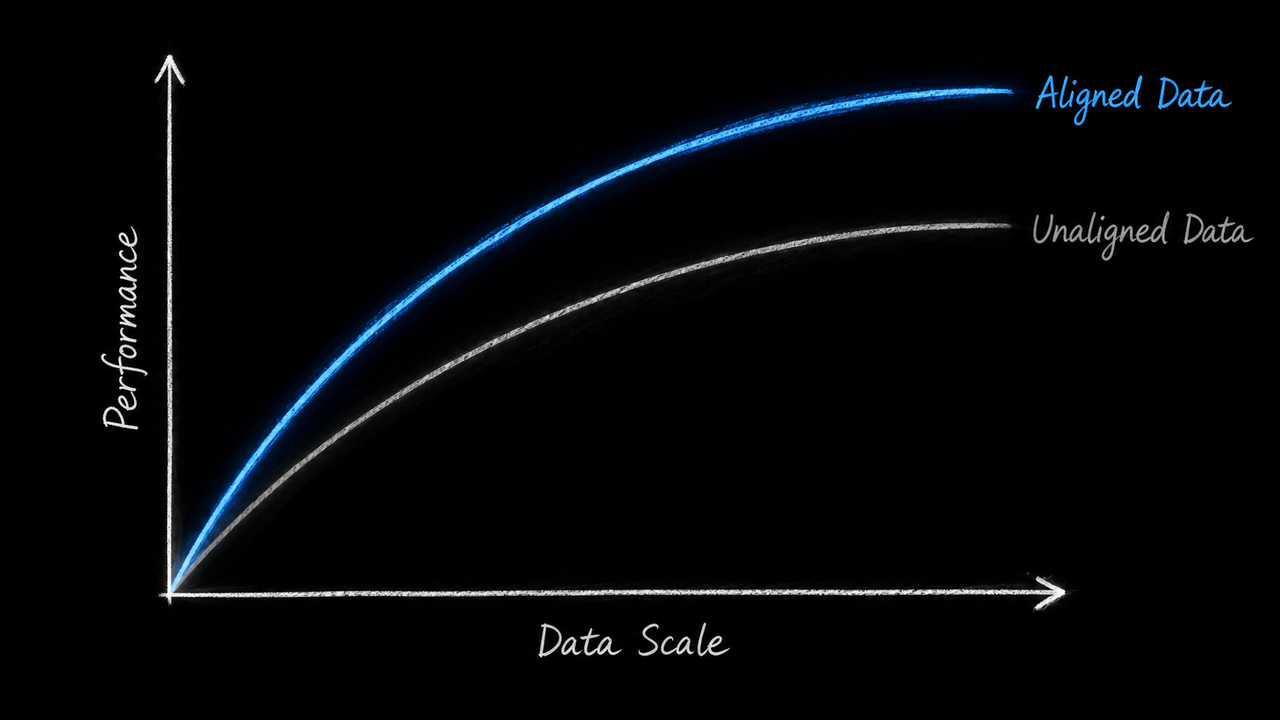
Over the past few years, the autonomous driving industry proved one thing: whoever first organizes the real physical world into a unified digital space is the first to get the ticket to scale.
Back then, however, this was not figured out from the start. In the early pure-vision multi-camera setups, each camera perceived on its own — the front camera watched the front, the side cameras watched the sides, each produced its own detection results, and everything was then stitched together and handed to the planning system. The problem: what got stitched together lived in image coordinates, not in the physical world. Change the viewpoint, the lighting or the scene, and performance dropped. The more data piled up, the worse the every-camera-for-itself chaos became.
BEV, Bird's-Eye View, was the key. What truly changed the industry was not handing engineers a “bird's-eye view” picture, but compressing the outputs of multiple cameras, multiple sensors and multiple tasks into one physical coordinate system that the planning system could consume directly. Autonomous driving thereby completed a critical leap: from guessing at the world inside images to understanding the world in physical space.
Today, embodied AI stands at the same crossroads. Robot data comes from different cameras, different embodiments, different coordinate systems and different operators. Without a unified space, the more data piles up, the greater the chaos — not scaling, but an entropy explosion.
What DexForce Technology proposes, Dexterity-BEV, is precisely to redo this kind of restructuring for embodied AI: aligning visual input, robot states and target actions to one common reference frame, giving robot data, for the first time, a true spatial foundation for scalable training. It can be seen as a systematic attempt to push the BEV methodology down into the data infrastructure layer of embodied AI.
Scale Without Order Only Turns into an Entropy Explosion
The embodied AI industry is buzzing today.
New robot embodiments keep arriving, new datasets are released one after another, and new teleoperation systems, egocentric human data, and simulation and generated data are also growing fast. Clearly, the industry is entering a stage of rapid data expansion.
Text can be uniformly organized into tokens, and images have relatively stable data paradigms, but robot data is different from both. Robot data is inherently heterogeneous: take one robot operation record as an example — it may simultaneously contain multi-view images, depth, camera parameters, joint states, end-effector trajectories, language instructions, task success or failure, and real feedback, among other dimensions of information. On top of that, robot embodiments differ in specification, dataset coordinate systems are mutually inconsistent, camera viewpoints vary, and operators differ in the rhythm of their motions; more complicated still, brand-new data collection paradigms such as UMI and Egocentric keep pouring in. Human height, arm span, viewpoint and motion habits are essentially another kind of “heterogeneous embodiment”, further amplifying the differences among data.
So what embodied AI faces is not a single “data volume problem”, but a trickier double bind: on one hand, high-quality real interaction data remains scarce and expensive; on the other, the data already collected is highly heterogeneous — hard to interoperate, hard to train on in a unified way, and hard to transfer across robots.
This is the reality embodied AI now confronts: the industry needs not only more data, but also an underlying order that turns data into trainable, transferable and reusable assets. Without that unified order, data expansion is not positive scaling — it only heads toward an entropy explosion.
Dexterity-BEV
1. Installing a “Unified Spatial Coordinate System” for Embodied AI
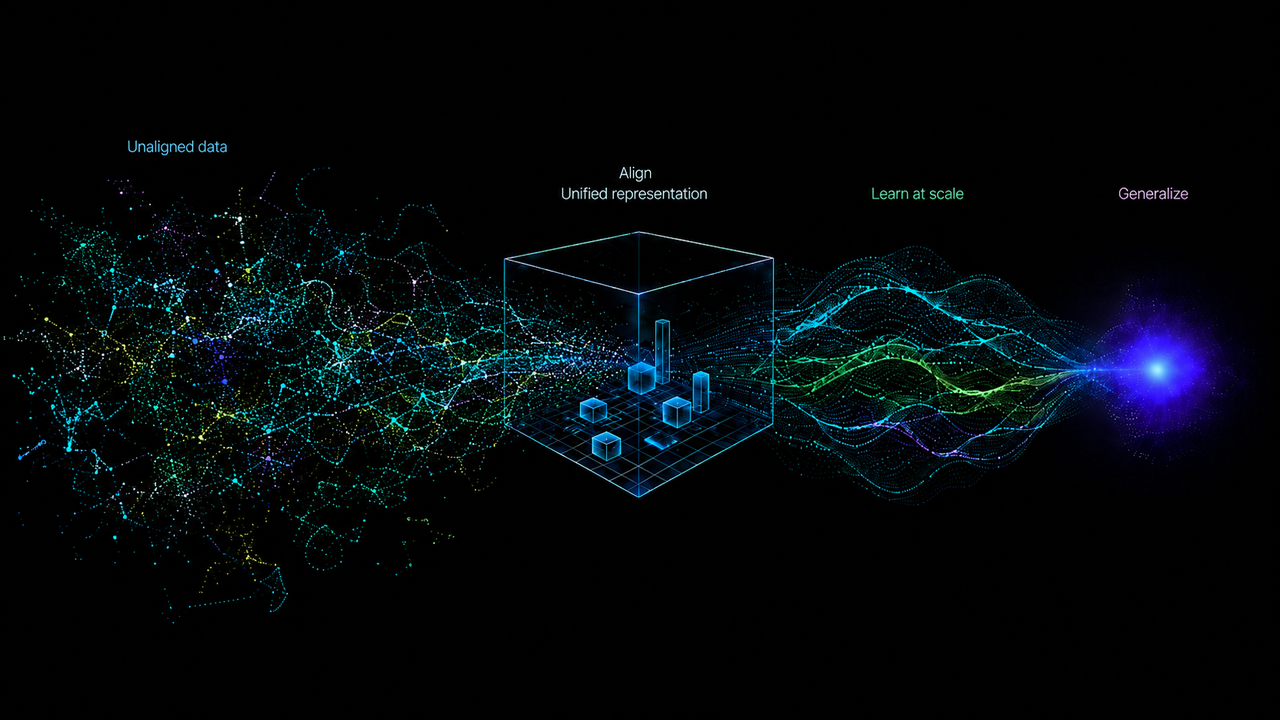
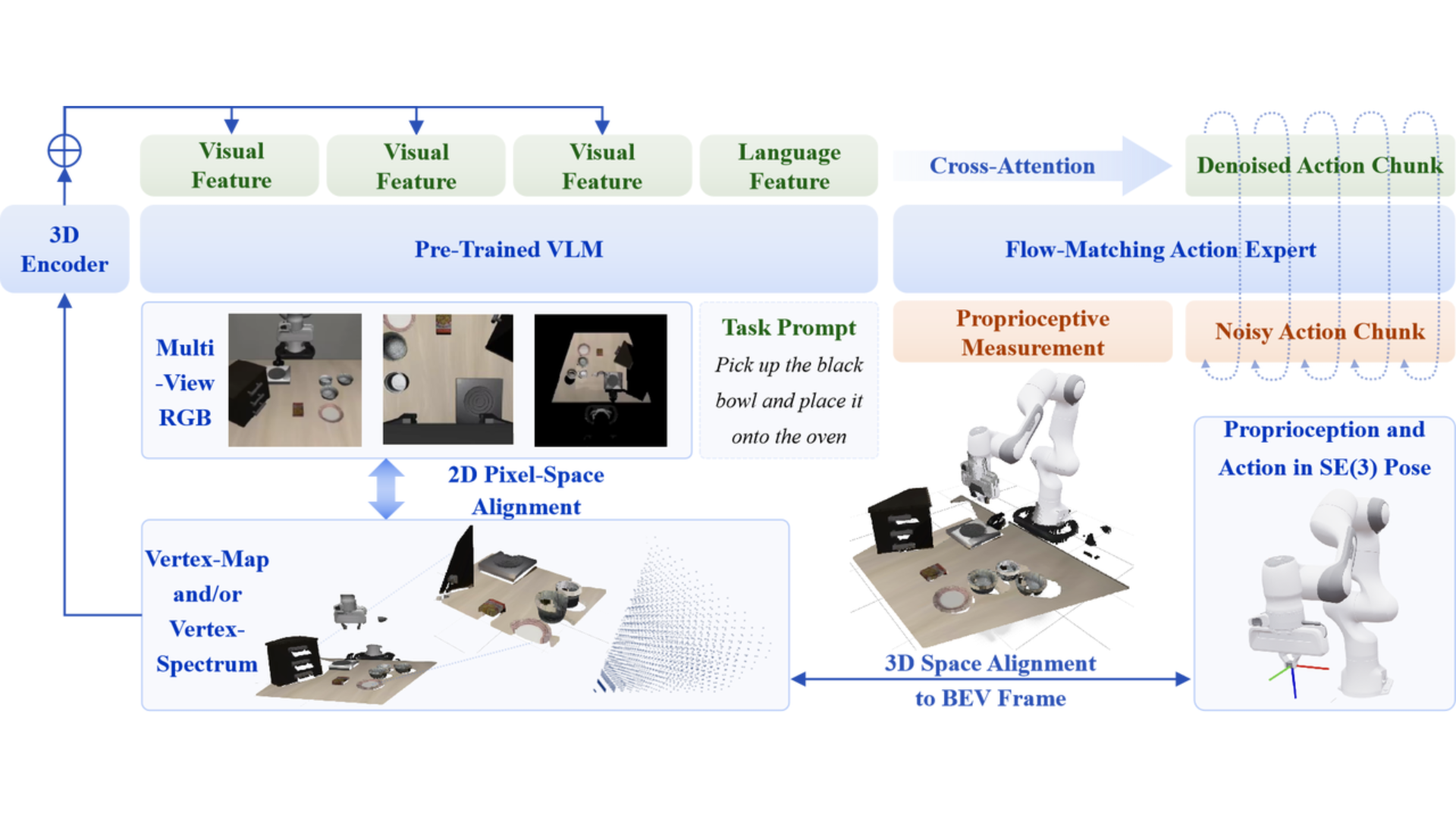
The idea behind Dexterity-BEV is very direct, and very aggressive: align robot data from multiple sources, viewpoints and embodiments uniformly into one BEV three-dimensional space.
This is not simply stitching multi-view images together, nor building a cumbersome 3D reconstruction system. The key to Dexterity-BEV is constructing a unified BEV-aligned coordinate system that places the objects, spatial relations and manipulation targets seen by different cameras into one common overhead reference space.
You can think of it as a “virtual orthographic camera”. No matter where the real camera is mounted, from which angle it shoots, or from which direction the robot looks, the data is ultimately transformed into the same overhead space. A physical task is thus no longer a pile of mutually incompatible 2D images, but a learnable representation within one and the same physical world.
This step matters enormously. In the past, many VLA models appeared to learn a task, but as soon as the camera viewpoint changed, the robot base moved, or the scene layout was rearranged, performance dropped noticeably. The reason is simple: what the model learned was not the laws of physics, but image patterns under one fixed viewpoint.
What Dexterity-BEV aims to do is pull models back from “guessing actions from images” to “understanding tasks in three-dimensional space”.
2. It Is Not About Abandoning 2D Foundation Models, but About Giving Them 3D Coordinates
This is also the most noteworthy part of Dexterity-BEV.
The embodied AI industry now faces a dilemma: pure 2D VLA has semantic capability but insufficient spatial grounding; heavyweight 3D approaches carry geometric information but are costly and hard to train, and they do not easily reuse the capabilities of existing 2D VLMs.
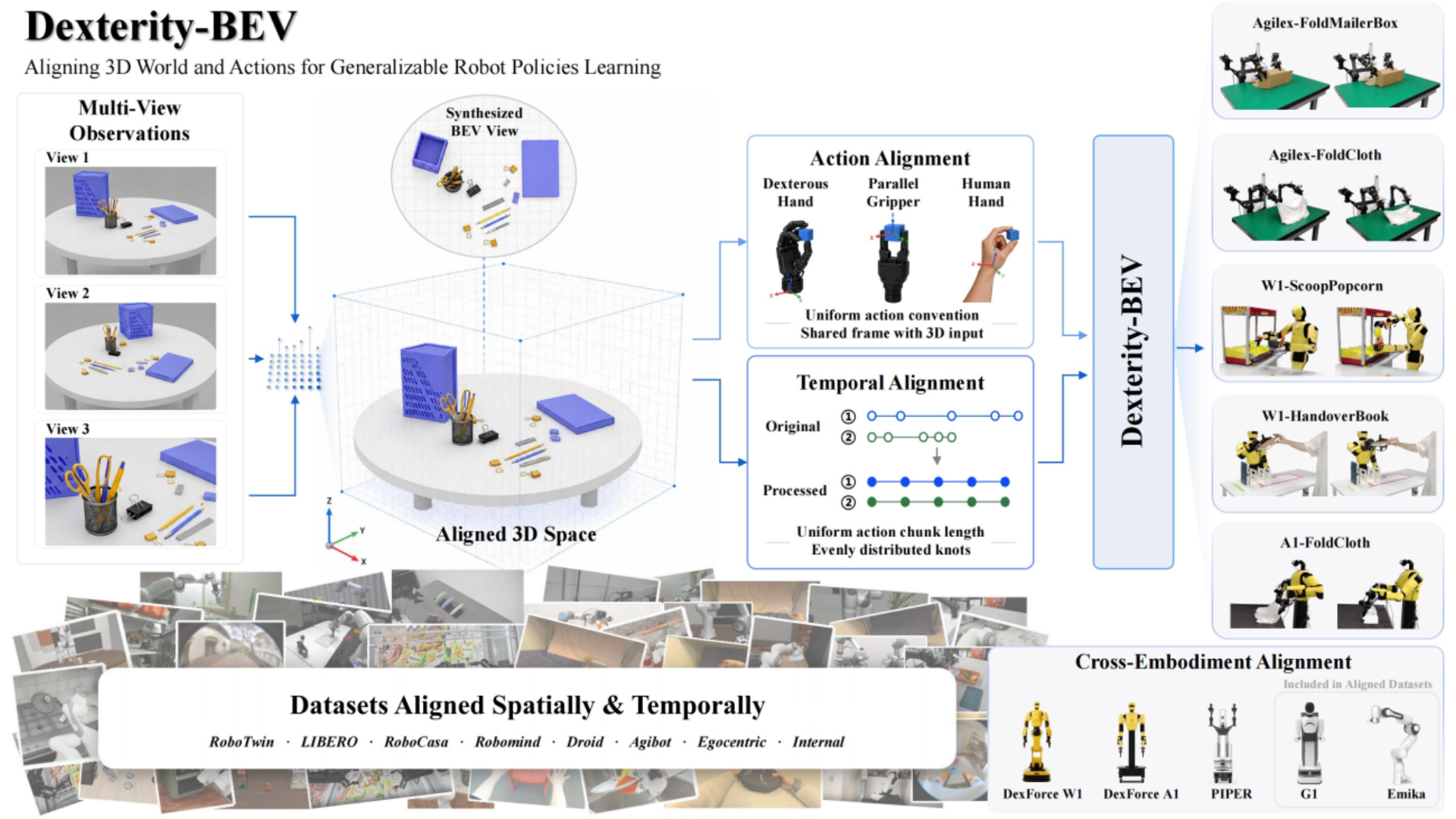
Dexterity-BEV does not start over from scratch. It keeps multi-view RGB input and continues to reuse mature 2D vision encoders and vision-language models, while injecting three-dimensional spatial position into every visual token through the vertex map and the vertex spectrum.
In other words, it does not build a new expensive 3D system; it adds to the existing vision model stack the layer robots lack most: spatial coordinates. For devices with depth information, it can use depth maps and camera calibration to generate pixel-level 3D vertex representations; for the more common pure RGB cameras, it can use the vertex spectrum mechanism to build a set of 3D position hypotheses for every pixel and encode them into visual features.
This is like fitting a 3D physical skeleton onto 2D images. Semantic capability is preserved, spatial understanding is filled in, and engineering costs do not explode. This is 3D that can actually scale.
3. Aligning Not Just Vision, but Actions Too
If Dexterity-BEV only aligned images into BEV space, that would not be enough. The truly hard part of robot data is this: actions are not unified either.
Different robot embodiments differ enormously. A Franka arm, a dual-arm platform and a half-humanoid robot produce completely different joint trajectories even when performing the same task. If a model learns joint angles directly, it is essentially locked to the hardware. The way Dexterity-BEV handles this is to free actions from specific joints.
Instead of having the model learn only “how many degrees a certain joint rotates”, it learns where the end effector should go in the unified BEV space, in what pose it should approach an object, how to move, and how to complete the task.
More crucially, these end-effector poses are not expressed arbitrarily; they are further aligned into the unified BEV-aligned coordinate system mentioned above.
This forms a very elegant closed loop: visual input is in BEV space, robot state is in BEV space, and target actions are in BEV space too, with input and output placed into one physical coordinate system for the first time. That is what true perception-action alignment means.
In plain terms, Dexterity-BEV hands different robots, different cameras and different actions one common “spatial ruler”. Data that once spoke past each other can now finally converse in the same physical language.
Embodied data has a third kind of chaos: time.
For the same task, different operators work at different speeds; different robots execute at different speeds; some people pause midway while others move fluidly. These differences often say nothing about the essence of the task, yet they make model training harder.
Dexterity-BEV adds a cross-trajectory temporal alignment mechanism to the data pipeline, regularizing the time scales of trajectories from different robots, operators and datasets. It does not erase the structure of task motions; rather, it minimizes meaningless differences such as “who operated faster, who operated slower”, letting the model focus on learning the truly critical action sequences and spatial relations of the task.
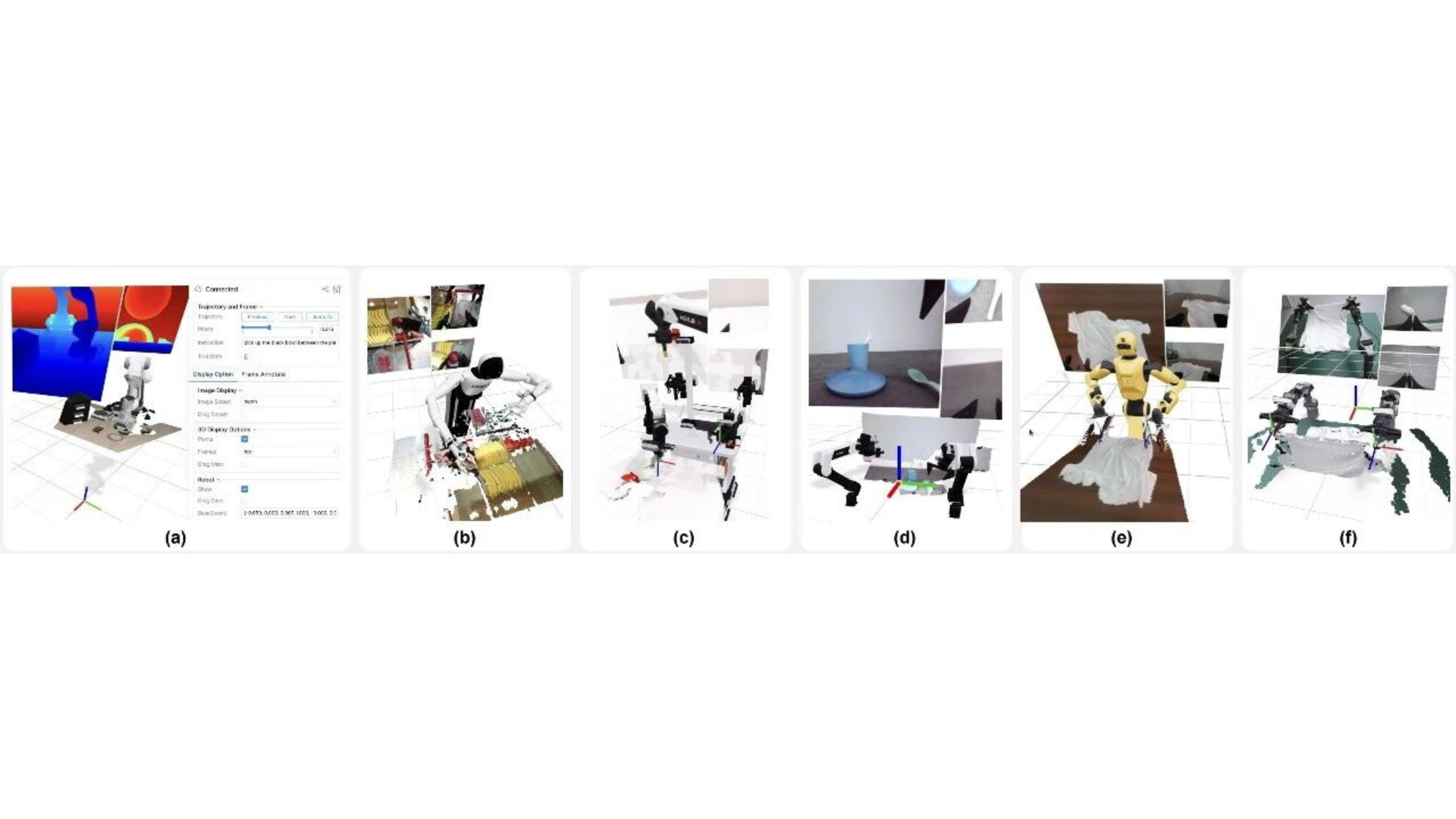
So what Dexterity-BEV delivers is not a single-point optimization but a systematic data infrastructure: spatial alignment, action alignment, temporal alignment, and data pipeline alignment.
Real Tests Validate the Strong Generalization of Dexterity-BEV
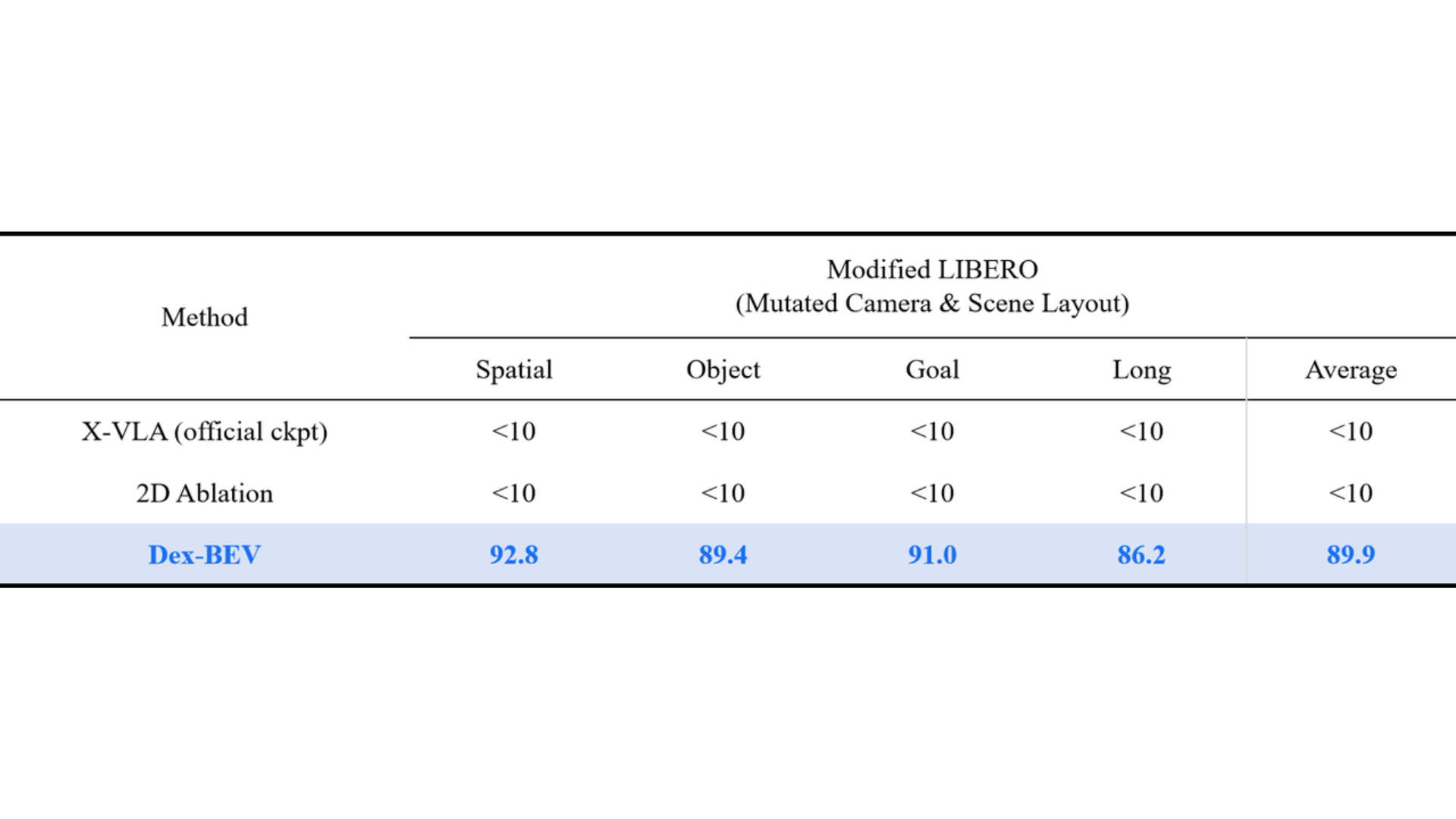
The experimental design of Dexterity-BEV is also interesting. Rather than merely chasing a good-looking score in a fixed scene, it deliberately tests the situations where traditional VLAs tend to fail: camera viewpoint changes, robot base perturbations, scene layout changes, and cross-robot-platform transfer.
In simulation, Dexterity-BEV was compared with strong baselines such as π0 and X-VLA on LIBERO and RoboTwin 2.0. Especially under settings where camera viewpoint, robot base and scene layout were heavily perturbed, traditional 2D VLA methods saw success rates drop sharply, while Dexterity-BEV maintained stable performance.
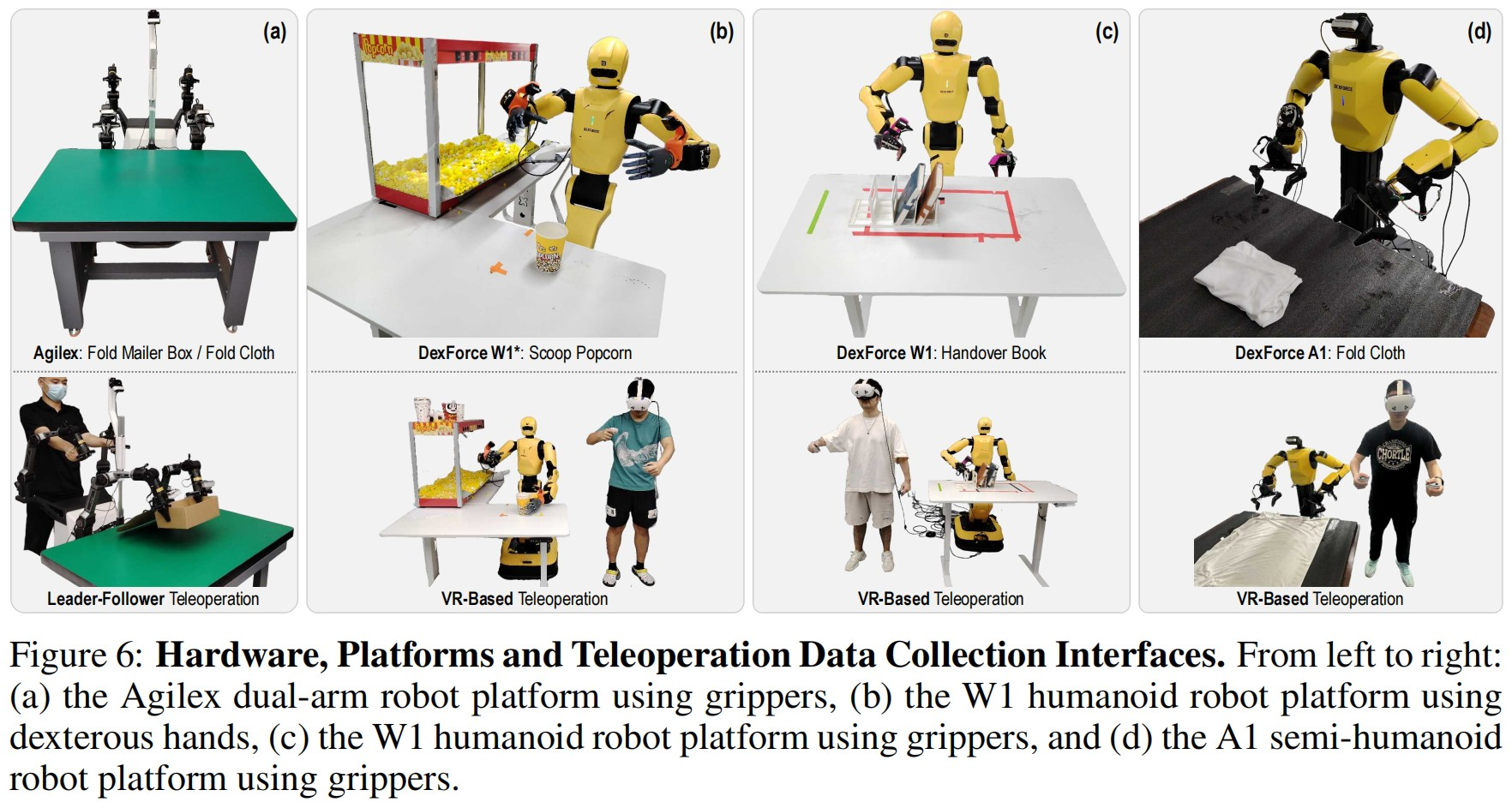
On real robots, Dexterity-BEV also covered four types of dual-arm platforms and multiple long-horizon tasks, including folding cartons, folding clothes, scooping popcorn and handing over books. These are not simple pick-and-place operations, but complex manipulations involving rigid objects, deformable objects, granular media, dual-arm coordination and human interaction.
Such tasks are closer to the real world, and better at exposing whether a model is “memorizing scenes” or “understanding physics”.
The results of Dexterity-BEV make one thing clear: only when robot data is placed in a unified space does model generalization truly have a foundation.
BEV Enters Embodied AI, Opening the Critical Path to Scaling
In the view of this author, the greatest significance of Dexterity-BEV is not merely an improvement in model performance; it looks more like the marker of embodied AI moving from the “data piling stage” into the “data order stage”.
The industry used to love debating: who collected more hours of data, who had more robots, who did more tasks. But if this data cannot be trained on in a unified way, cannot transfer across robots, and cannot be reused in new scenes, then the larger the data scale, the more it comes to resemble isolated islands.
What Dexterity-BEV offers is a different line of thought: build the unified physical space first, then talk about data scaling. This closely mirrors the change the BEV paradigm once brought to autonomous driving. BEV took autonomous driving from multi-camera image perception to unified spatial understanding; now Dexterity-BEV is attempting to take embodied AI from scattered robot trajectories to a unified perception-action physical representation.
If embodied AI used to merely “see the world”, then with the arrival of BEV it begins to have the chance to “organize the world”. This may be the layer of data infrastructure that must be filled in before embodied models can truly scale.
The next stage of embodied AI will not be just bigger models, more data and more expensive robots. What really determines whether the industry can take off is whether data can be unified, whether actions can transfer, and whether experience can be reused across robots.
Herein lies the value of Dexterity-BEV: it is not merely building a stronger policy model, but attempting to establish a scalable data order for embodied AI. Seen from this angle, BEV charging into embodied AI is not an ordinary technical point — it is a make-up lesson. The BEV dividend that autonomous driving once enjoyed has now come around to robots.
And what DexForce Technology has done this time is to fix the road before truly pushing embodied AI onto the Scaling fast lane.